How Digital Community Platforms Improve Resident Communication and Engagement
A residential community is more than a collection of apartments and buildings. It is a place where people live, interact, share information and participate in everyday activities.
However, maintaining effective communication between residents, managing committees and community administrators can be challenging.
Important announcements may get lost in WhatsApp groups, event information may not reach everyone, and residents may struggle to find reliable information about community activities or services.
Digital community platforms offer a more organised way to connect residents, share information and encourage participation.
What Is a Digital Community Platform?
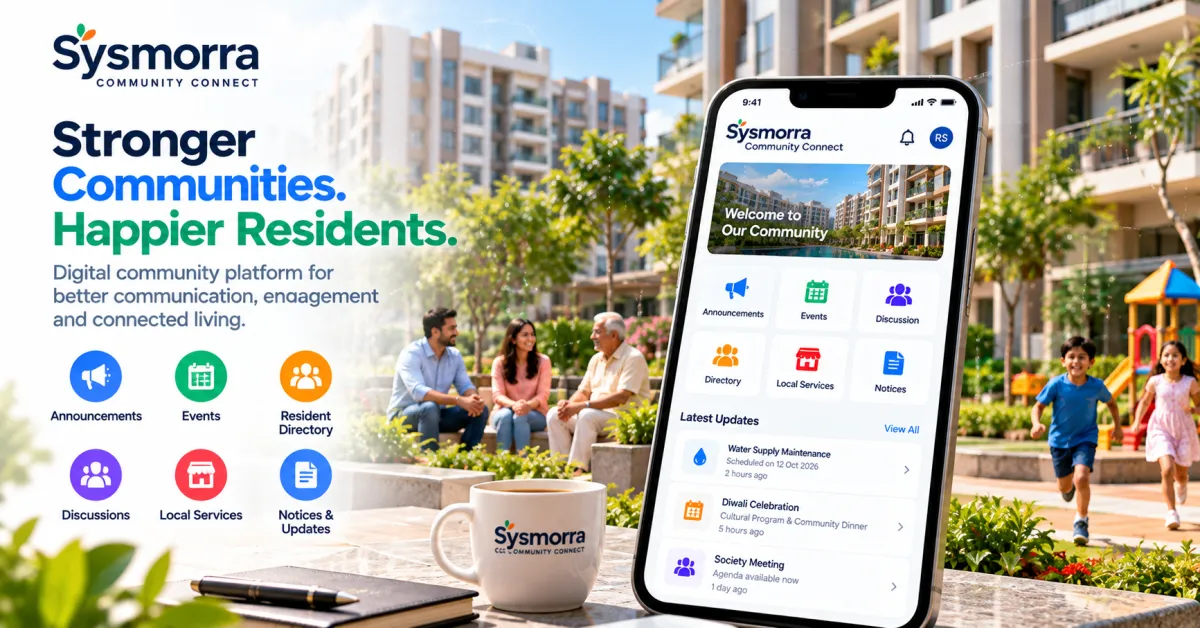
A digital community platform is an online system that helps people within a defined community communicate and access shared information.
For residential communities, such platforms may support:
-
Resident announcements and updates
-
Community events and activities
-
Resident directories with appropriate privacy controls
-
Interest groups and discussions
-
Community service information
-
Notices and important resources
-
Feedback and suggestions
-
Communication between residents and administrators
Unlike general social media platforms, community-focused systems can organise information around the needs of a particular residential community.
1. Improve Communication Between Residents
Communication is essential for building a well-connected residential community.
In many apartment complexes, residents depend on informal WhatsApp groups for important information.
While messaging groups are convenient, important announcements can become difficult to locate when conversations contain hundreds of messages.
A digital community platform can provide a dedicated place for announcements and community updates.
This helps residents find relevant information without searching through unrelated conversations.
2. Keep Community Announcements Organised
Residential communities regularly share notices about:
-
Water supply interruptions
-
Scheduled maintenance
-
Community meetings
-
Common facility updates
-
Safety-related information
-
Cultural celebrations
-
Important administrative announcements
A centralised announcement system can help maintain a clear record of communication.
Residents can access relevant updates when needed, while administrators can manage information more systematically.
3. Encourage Participation in Community Events
Festivals, cultural programmes, sports competitions and community meetings provide opportunities for residents to interact.
However, organising events often requires significant coordination.
A digital platform can help communities share event information, schedules, participation details and related announcements.
Better visibility into upcoming activities may encourage more residents to participate.
4. Help Residents Discover Community Services
Residents frequently need information about nearby services, such as electricians, plumbers, housekeeping providers and other local professionals.
Community platforms can help organise service information and make relevant contacts easier to find.
Where service recommendations or listings are supported, administrators should establish clear guidelines to maintain accuracy and prevent misleading information.
5. Create Interest-Based Community Groups
People living in the same residential complex may share interests in fitness, reading, sports, gardening or cultural activities.
A digital community platform can provide a structured way for residents to discover activities and connect with others who share similar interests.
This can help strengthen social relationships within larger residential communities.
6. Improve Feedback and Suggestions
Residents may have suggestions for improving common facilities, organising activities or introducing new community services.
When feedback is shared through informal conversations, it may not reach the appropriate people.
A structured feedback process can help administrators collect suggestions and understand community priorities.
Clear communication about which suggestions are being considered can also improve transparency.
7. Support New Residents
Moving into a new residential community involves learning about local facilities, administrative contacts and community guidelines.
A digital community platform can provide new residents with useful introductory information.
This may include important contacts, common-area guidelines, available facilities and community announcements.
Providing information in one place can make the transition easier.
8. Respect Resident Privacy
Community platforms often involve personal information, making privacy and security important considerations.
Resident contact details should not automatically become visible to everyone.
A well-designed platform should provide appropriate access controls, consent mechanisms and privacy settings.
Administrators should also ensure that personal information is collected and used for legitimate community purposes.
9. Reduce Dependence on Multiple Communication Channels
Communities sometimes maintain separate groups for announcements, events, maintenance updates and other activities.
This can create confusion about where information should be shared.
A connected community platform can organise different types of communication while still allowing residents to use familiar channels where appropriate.
The objective is to improve accessibility rather than force every interaction into a single application.
10. Build a Stronger Sense of Community
Technology alone cannot create meaningful relationships between neighbours.
However, it can make it easier for residents to discover activities, access information and participate in community life.
When communication becomes more organised and inclusive, residents have more opportunities to engage with their community.
Community Connect and Society Management: Understanding the Difference
Although the two concepts are related, they serve different purposes.
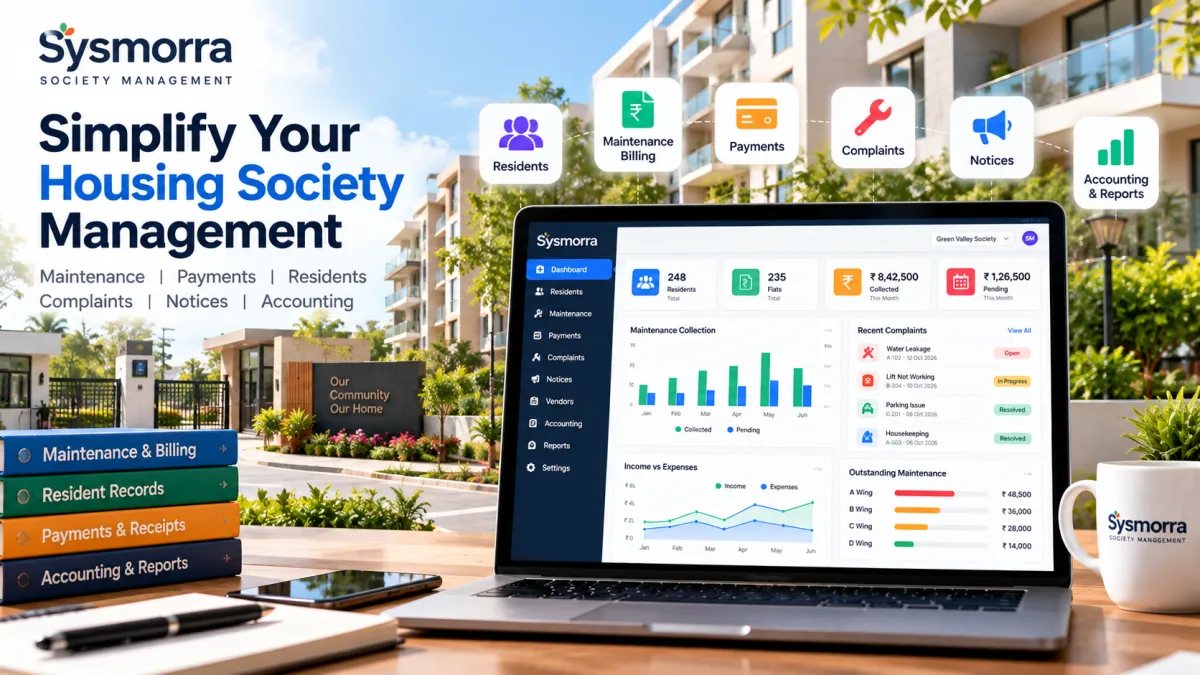
Society management software primarily focuses on administrative activities such as maintenance billing, resident records, payments, accounting and society operations.
Community engagement software focuses on resident communication, activities, interaction and shared community information.
A residential community may benefit from both types of systems.
Connecting administrative processes with community engagement can create a more convenient digital experience for residents and administrators.
Introducing Sysmorra Community Connect
Sysmorra Community Connect is part of the Sysmorra business software ecosystem.
The product vision focuses on helping communities organise communication, improve resident engagement and provide access to relevant community information.
It is intended to complement structured society administration by supporting the broader communication and engagement needs of residential communities.
The goal is to help communities become more connected, informed and organised.
Bring Your Community Closer Together
A well-connected residential community depends on accessible information, meaningful participation and effective communication.
Digital community platforms can provide the foundation for these activities while supporting more organised administration.
Explore Sysmorra Community Connect and discover how digital tools can support a more connected residential community.